Gym
Strength and control for gym.
An example program for someone with no injuries in the last year and no equipment. Your answers in the app shape your own.
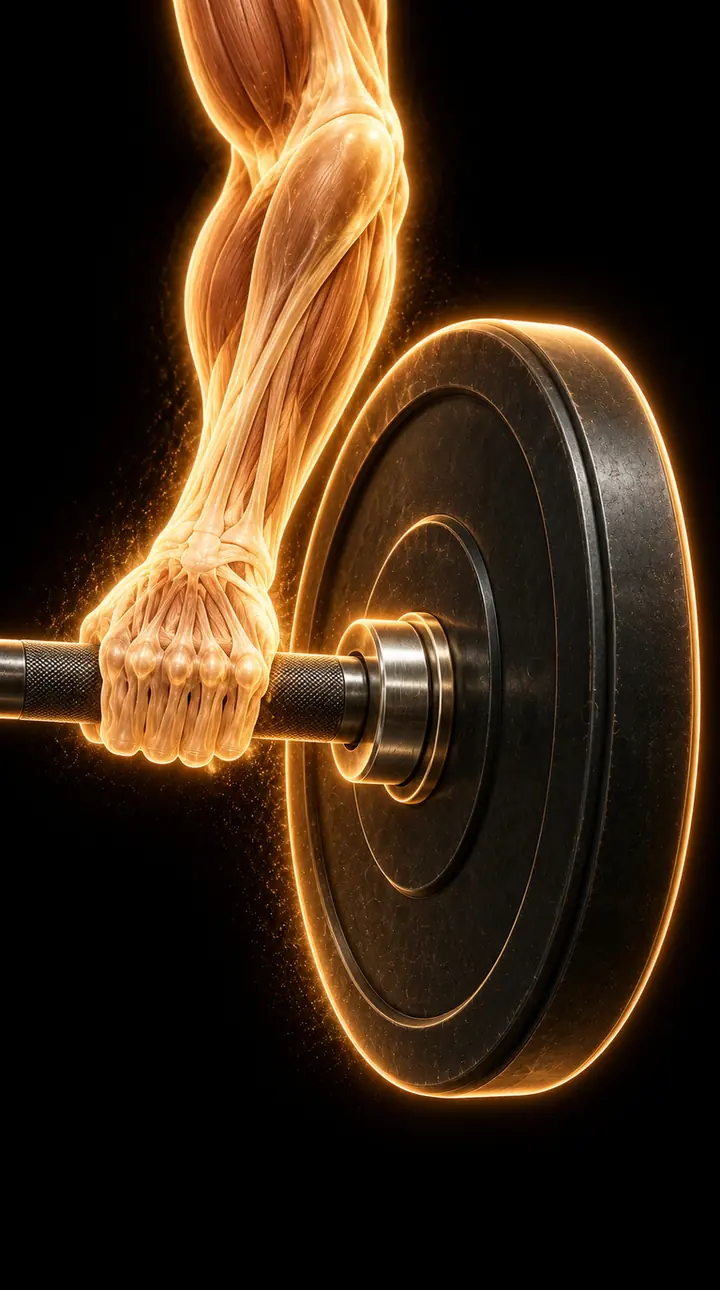
Common gym injuries
Injury rates in gym training are low compared with many sports. When problems happen, they most often affect the shoulder, lower back and knee, usually as strains or overuse pain when load rises too fast.
What the research says
Guidance from the American College of Sports Medicine supports a warm-up before each gym session and gradual increases in load. Reviews link strength training with fewer sports injuries, and shoulder strength work was linked with fewer shoulder problems in a trial of throwing athletes. See the sources.
The program
Plus a short warm-up for before you start.
Phase 1 · 3 weeks · 3 sessions a week
Foundation
Build controlled squat, hinge and pushing strength.
- Backpack Squat
- Backpack Romanian Hinge
+8 more in this phase
Phase 2 · 9 weeks · 3 sessions a week
Build
Build strength through greater load and range.
- Backpack Squat
- Backpack Romanian Hinge
+8 more in this phase
Sources
- Keogh & Winwood. Weight-training sports: epidemiology study (Sports Med 2017) · 2017
- Klimek et al. CrossFit training and other forms of exercise: review (J Sport Rehabil 2018) · 2018
- Lauersen et al. Strength training dose in sport: systematic review (BJSM 2018) · 2018
- Andersson et al. Shoulder training in elite handball: cluster randomised trial (BJSM 2017) · 2017
- Garber et al. ACSM position stand on exercise quantity and quality for healthy adults (MSSE 2011) · 2011
- Jeffreys. Warm-up revisited: the RAMP method of optimizing performance preparation (2007) · 2007